Introduction
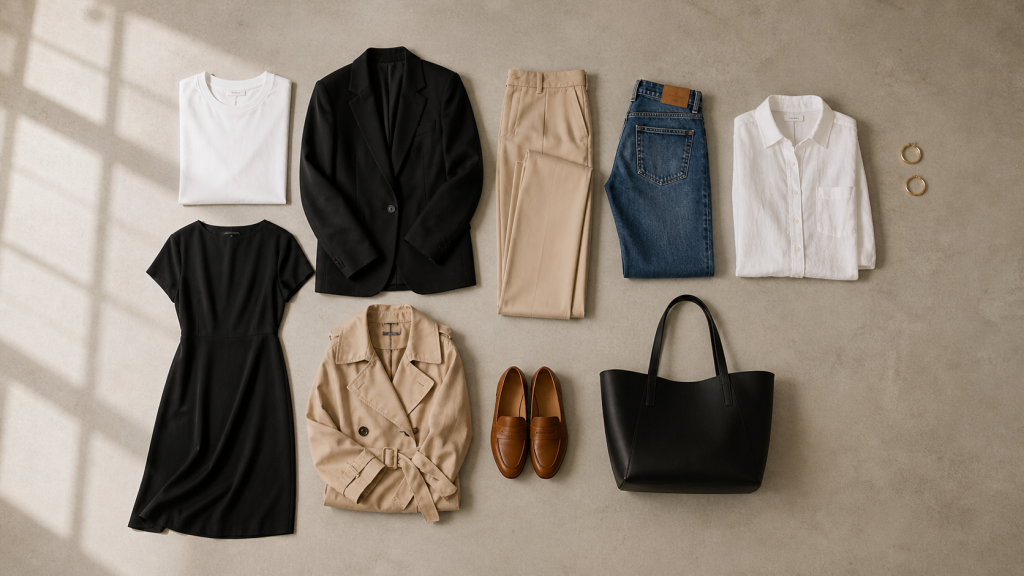
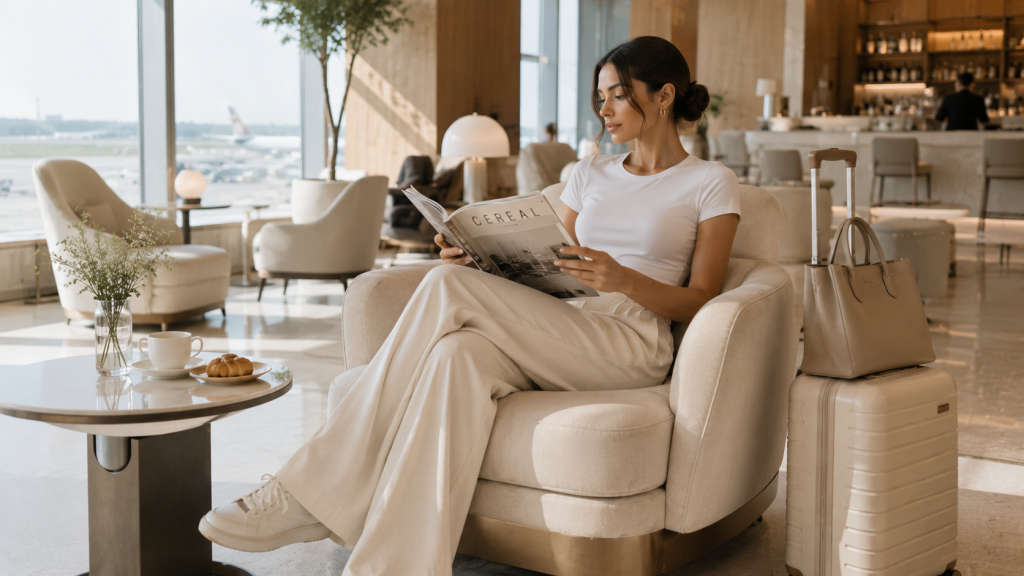
Have you ever noticed how some people manage to look incredibly wealthy, elegant, and effortlessly chic without wearing a single flashy designer logo? That is the essence of the “Old Money” aesthetic. Also known as “quiet luxury,” this trend has taken the fashion world and Pinterest by storm. Instead of chasing fast fashion trends, the old money aesthetic focuses on timeless elegance, high-quality fabrics, and perfectly tailored silhouettes.
Building an old money wardrobe is not about having a limitless bank account; it is about intentional shopping. It is about investing in versatile, high-quality basics that can be mixed and matched to create endless sophisticated outfits. Whether you are heading to a brunch date, an important office meeting, or a weekend getaway, these classic pieces will ensure you always look polished.
If you are ready to elevate your everyday style, here are the 7 essential “old money” aesthetic staples you absolutely need in your closet.
1. The Classic Tailored Blazer
A well-fitted blazer is the cornerstone of any sophisticated wardrobe. To capture the old money vibe, step away from trendy, oversized fits and opt for a structured, classic silhouette. A tailored blazer in navy blue, beige, camel, or houndstooth instantly elevates even the most basic outfits. Look for details like subtle shoulder pads and elegant brass or tortoiseshell buttons.
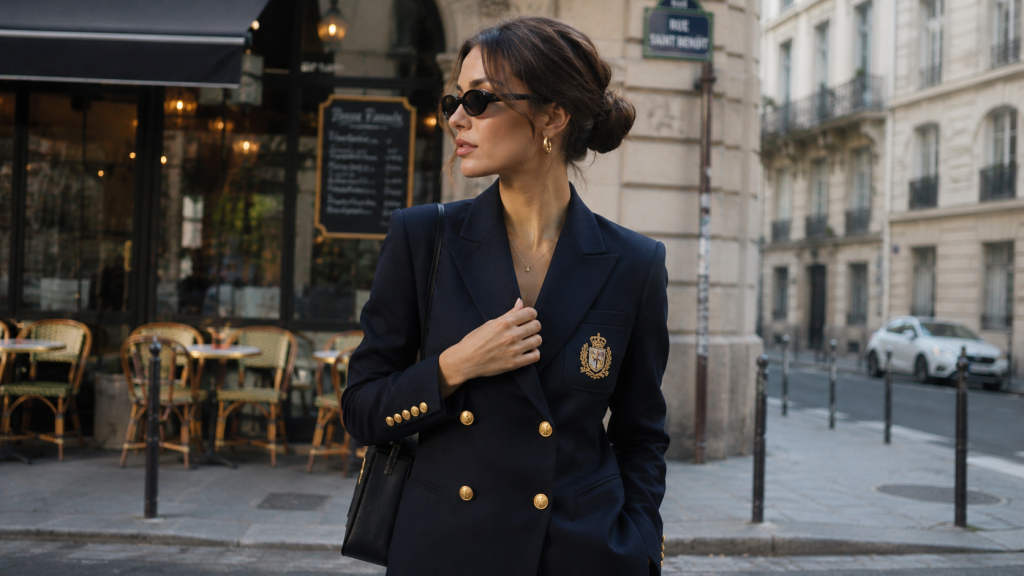
Styling Tip: Pair a navy blazer with a simple white tee and straight-leg jeans for a casual chic weekend look, or wear it over a slip dress for an elegant evening ensemble.
2. A Crisp White Button-Down Shirt
Nothing says effortless elegance quite like a crisp, high-quality white button-down shirt. It is arguably the most versatile item you can own. For a truly luxurious feel, pay attention to the fabric—100% cotton, crisp poplin, or breathable linen are your best choices. Avoid anything too tight; a slightly relaxed but still structured fit is ideal.
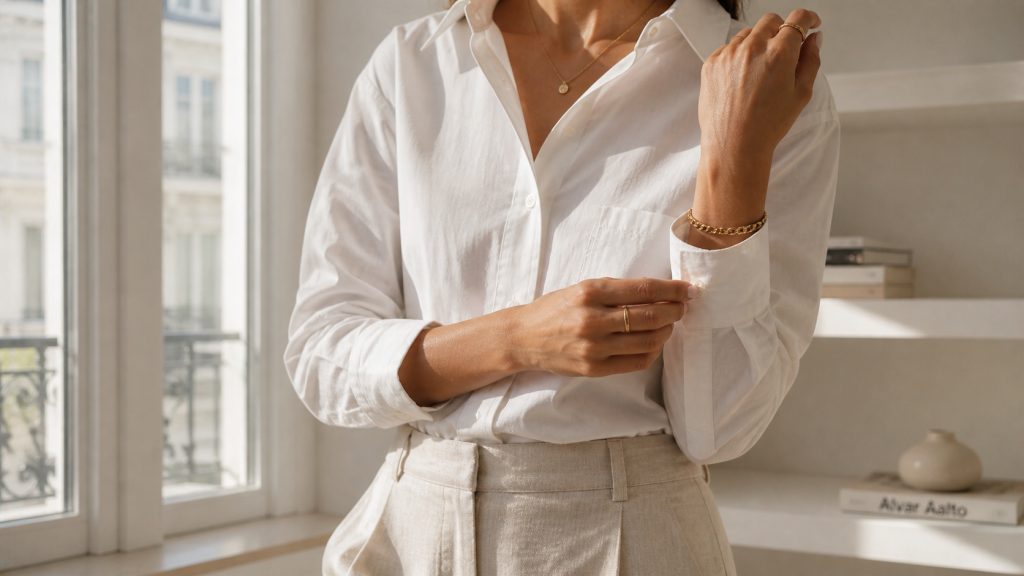
Styling Tip: Tuck it completely into high-waisted trousers with a leather belt for the office, or leave it unbuttoned over a simple tank top for a relaxed, coastal-grandmother aesthetic.
3. High-Waisted Tailored Trousers
Say goodbye to ripped skinny jeans. The old money aesthetic embraces the elegance of tailored trousers. High-waisted pants with subtle front pleats create a beautiful, elongated silhouette that flatters any body type. Stick to a neutral color palette: cream, beige, navy, charcoal, or classic black. These trousers drape beautifully and offer a level of comfort that stiff denim simply cannot match.
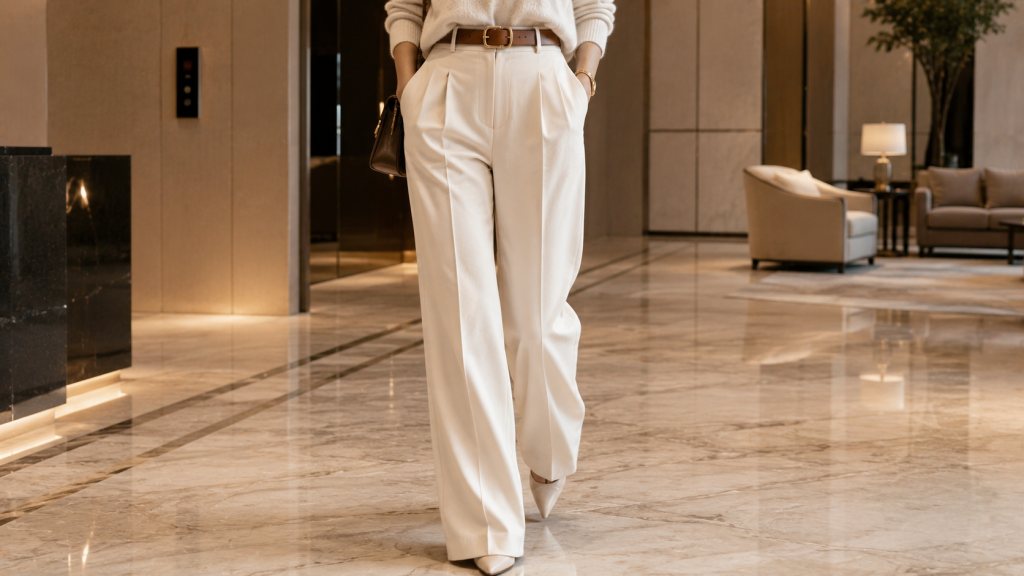
Styling Tip: Wear them with a fine-knit turtleneck tucked in, finished with a classic leather belt and loafers for an effortlessly expensive vibe.
4. The Cashmere or Fine-Knit Sweater
Knitwear is a major element of quiet luxury, and nothing feels more luxurious than cashmere. However, if cashmere is out of your budget, any high-quality, fine-knit wool or cotton blend will do the trick perfectly. The key is in how you wear it. A neutral-toned crewneck or turtleneck sweater is a must-have.
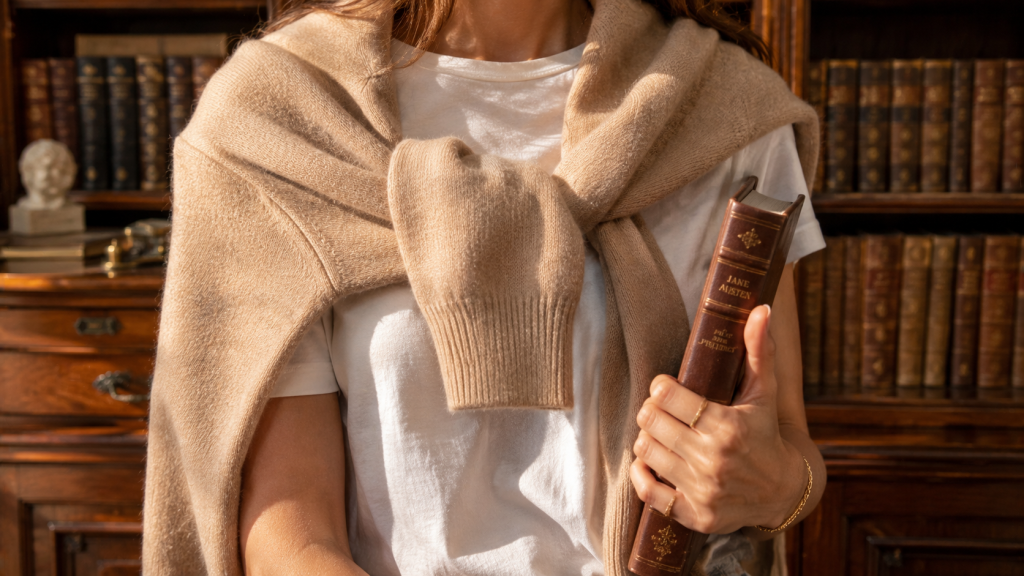
Styling Tip: To achieve the ultimate country club aesthetic, drape a neutral sweater over your shoulders and casually tie the sleeves in the front over a button-down shirt or a simple tee.
5. A Timeless Trench Coat
When it comes to outerwear, the classic trench coat reigns supreme. Originally designed for functionality, it has evolved into a global symbol of chic, understated fashion. A well-tailored trench coat in a traditional khaki, camel, or stone color adds an instant layer of sophistication to whatever you are wearing underneath.
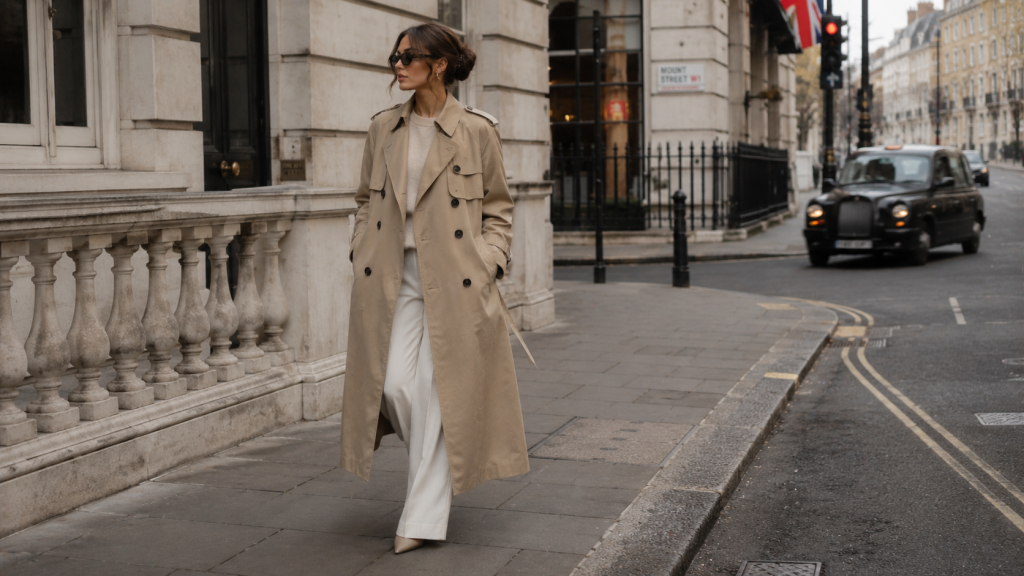
Styling Tip: Leave it unbuttoned and tie the belt loosely behind your back to give your outfit shape while maintaining a relaxed, cool-girl attitude.
6. Elegant Leather Loafers
If you look closely at the footwear choices within the old money aesthetic, you will notice a distinct lack of chunky sneakers or sky-high stilettos. Instead, the focus is on refined, comfortable elegance. A pair of high-quality leather loafers—especially classic penny loafers or horsebit styles in black or chocolate brown—is absolutely essential.
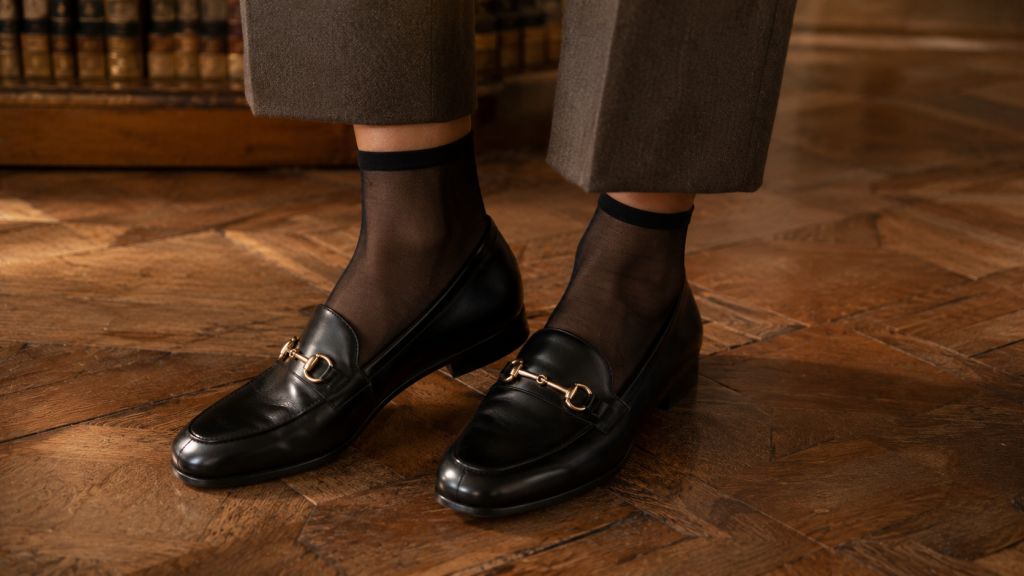
Styling Tip: Wear your loafers with tailored trousers for a smart look, or pair them with a pleated skirt and sheer ankle socks for a preppy, modern twist.
7. Minimalist Gold Accessories
To complete your quiet luxury transformation, you must master the art of accessorizing. The old money rule is simple: less is more. Avoid chunky, statement jewelry and logo-heavy bags. Instead, invest in minimalist, timeless pieces. A classic leather-strap watch, a pair of small gold hoop earrings, a delicate pearl necklace, or a silk scarf are all you need.
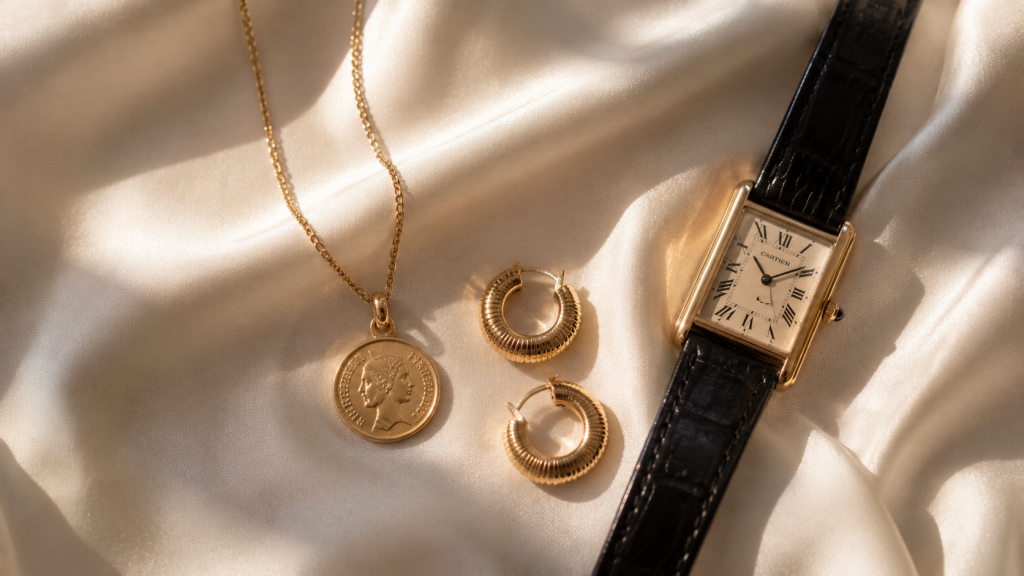
Styling Tip: Tie a patterned silk square scarf around your neck, onto the handle of your leather handbag, or even in your hair to add a pop of color to an otherwise neutral outfit.
Why Choose the Old Money Aesthetic?
Embracing this aesthetic is not just about looking rich; it is a step towards sustainable fashion. By focusing on high-quality, classic pieces rather than fleeting micro-trends, you build a functional capsule wardrobe that will last for years. You will save money in the long run and completely eliminate the daily “I have nothing to wear” dilemma.
Frequently Asked Questions
Does the old money aesthetic have to be expensive? Not at all! You do not need to buy designer brands to achieve this look. Focus on the fit, the fabric, and the color palette. You can find beautiful, high-quality tailored pieces at affordable stores, or even better, at vintage and thrift shops.
What colors are considered “Old Money”? The color palette is heavily neutral and muted. Stick to whites, creams, beiges, camel, navy blue, charcoal grey, and black. You can occasionally incorporate deep, rich tones like burgundy or forest green during the colder months.
Can I wear jeans with this aesthetic? Yes, but they should be the right kind of jeans. Avoid heavily distressed, ripped, or ultra-faded denim. Instead, opt for straight-leg or wide-leg jeans in a solid, classic blue wash or crisp white, and always pair them with a tailored top or blazer.